




Layering Neutrals with Texture and Quiet Color

Today we dive into layering neutrals—texture and color strategies for subtle sophistication—unpacking how undertones, light, and tactile contrast create rooms that feel effortless yet intentional. Expect practical palettes, sample-testing rituals, and styling moves that invite calm without dullness. Along the way, you’ll hear real-world anecdotes, material tips, and sustainable swaps. Join the conversation, bookmark ideas, and tell us which pairing transformed your space or sparked a fresh perspective on restraint and warmth.

Finding Your Neutral Compass

Before collecting fabrics and finishes, get oriented by decoding undertones, studying your room’s daylight rhythm, and acknowledging fixed elements like flooring and window trims. This compass prevents mismatched whites or clashing grays, aligning your choices with the light, architecture, and the mood you want to live with daily.

Undertone Mapping at Home

Tape large paint swatches and fabric samples on multiple walls, then label each with clear notes: warm greige, cool taupe, red-leaning beige, or green-gray. Observe morning and evening shifts, especially adjacent to wood stains and stone. You’ll notice surprising interactions that elevate harmony and steer you away from barely perceptible yet disruptive color noise.

Reading Light and Shadow

North light cools surfaces, while west light warms and exaggerates texture. Place samples flat and vertical to see sheen and fiber direction. A matte limewash will soften shadows, whereas satin walls sharpen edges. By predicting these behaviors, you can introduce layered neutrals that feel dimensional without relying on high-contrast color or heavy ornamentation.

Calibrating Whites, Beiges, and Grays

Start with a reference white that respects your fixed finishes, then graduate into beiges or grays sharing compatible undertones. Mix light reflectance values to stack brightness thoughtfully. A soft mushroom upholstery beside a crisp ivory drapery creates breathing space, while a driftwood console bridges warmth and coolness, achieving subtle complexity without visual fatigue.

Texture as the Conversation Starter

When color sits quietly, texture does the storytelling. Combine nubby bouclé, open-weave linen, brushed cotton, honed limestone, raked oak, and patinated metal to orchestrate a tactile symphony. Each surface catches light differently, building depth that feels artful and welcoming even when the palette remains intentionally restrained and almost monochromatic.
Arrange textiles from whisper-soft to distinct grain: baby alpaca throw, tight herringbone wool, chunky knit, sisal rug. The progression adds rhythm, letting hands and eyes travel comfortably. This approach allows neutral rooms to feel layered and generous, ensuring there is always a point of interest without resorting to saturated color or busy patterns.
Blend natural fibers with performance fabrics and engineered surfaces. A crypton linen-look sofa can survive daily life, while genuine linen pillows provide breathability and nuanced slub. Pair quartz with honed marble accents to balance practicality and soul. The interplay safeguards longevity and keeps quiet palettes lively through subtle sheen, grain, and tactile variety.

Color Without Loudness

Neutrals do not mean colorless. Think micro-contrast: a drift of clay, a whisper of eucalyptus, a faint blush, or weathered oat. These hushed tones sit inside a neutral world while adding breath and interest. They drift in quietly, enrich texture, and ensure your palette reads layered rather than flat or sterile.

Tonal Stacking for Depth

Build a vertical gradient from floor to ceiling: deeper taupe underfoot, balanced greige on upholstery, airy ivory on walls, cloud white trim. This stack guides the eye upward, elongates sightlines, and prevents monotony. You’ll gain a calm yet articulated backdrop ready for art, greenery, and evolving personal pieces that tell authentic stories.

Whisper-Quiet Accents

Introduce muted colors that behave like expanded neutrals: sage-gray ceramics, clay-toned linen, or soft putty leather. Keep saturation low and finish matte to avoid glare. Repetition matters; echo accents across pillows, a throw, and a glazed bowl. Cohesive echoes subtly energize the space, inviting discovery without destabilizing the restful atmosphere you’ve carefully built.

Pattern, Scale, and Rhythm

Use pattern sparingly, minding scale. Herringbone wood, micro-check pillows, and faint pinstripes add movement without visual noise. Combine one larger motif with two small, all in low-contrast tones. This rule of thirds keeps the eye engaged, supporting the neutral framework while protecting serenity and making textures feel more intentional than accidental or chaotic.

Living Rooms That Breathe

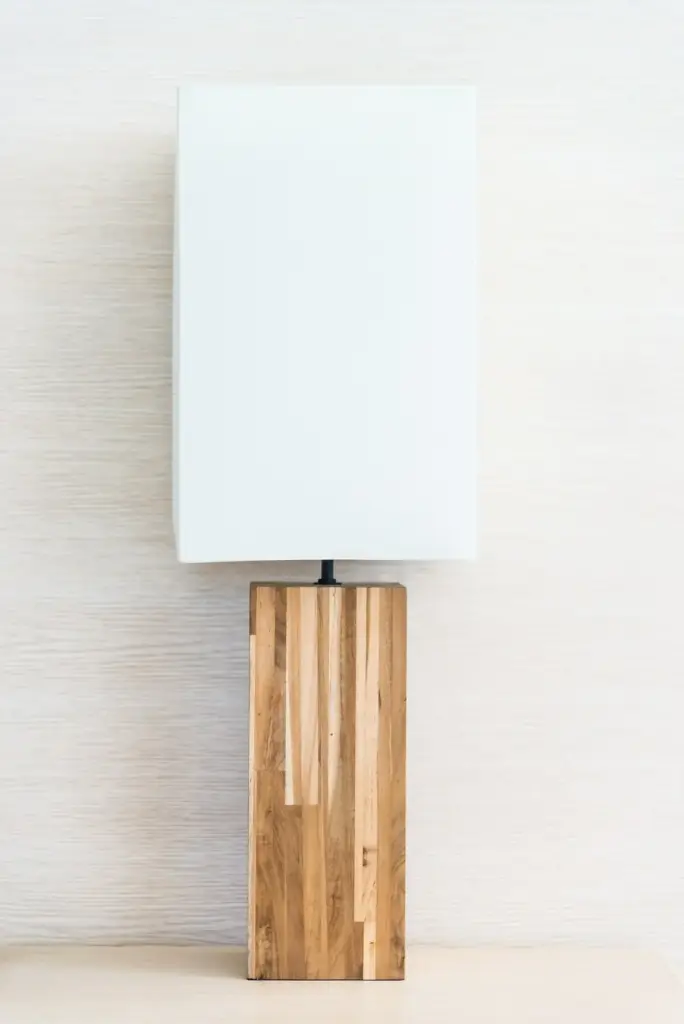
Anchor with a textured rug that hides traffic, then layer a mid-toned sofa, pale drapery, and wood tables with rounded edges. Add a stone lamp and nubby throw for tactile punctuation. Avoid high-shine metals; brushed finishes feel calmer. The result is hospitable, photogenic, and resilient to changing daylight, gatherings, and unexpected spills or scuffs.

Bedrooms That Exhale

Prioritize touch: percale sheets, quilted coverlet, velvet lumbar pillow, wool rug underfoot. Keep walls gentle and lights dimmable to highlight texture over pigment. Nightstands in open-grain oak add comforting lines, while linen curtains temper morning light. The room exudes quiet luxury, supporting rest without sacrificing personal layers like books, a candle, or flowers.

Kitchens and Baths with Calm Precision

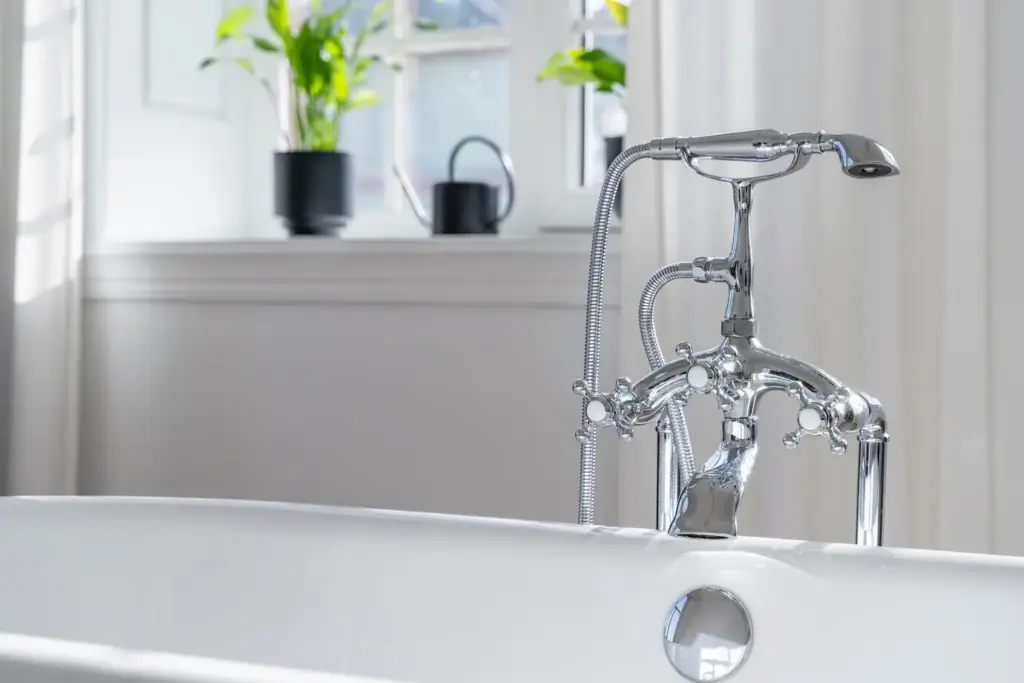
Lean on durable finishes: quartz counters with soft veining, matte cabinets, unlacquered brass or brushed nickel that patina gracefully. Tone down contrast between backsplash and cabinetry, then introduce linen shades, ribbed glass, and a textural runner. Even hardworking spaces feel collected, reinforcing continuity with the rest of your neutral, layered sanctuary at home.

Curating Shelves the Neutral Way

Think in triads: matte ceramic, raw wood, and soft paper. Vary heights, leave breathing room, and repeat textures across shelves for continuity. Books turned spine-out are optional; fabric covers also soften. Edit often. When neutrals lead, restraint becomes intentional, making each vignette feel mindful rather than sparse or arbitrarily minimalistic and cold.

Art That Murmurs, Not Shouts

Seek artworks with visible tooth: textured canvas, deckled paper, graphite smudges, or plaster reliefs. Sepia photographs with soft whites blend beautifully. Frame simply, respecting negative space. Art that whispers invites prolonged viewing, casting a slower rhythm that elevates neutral layers and welcomes calm curiosity instead of demanding loud, momentary attention or applause.

Longevity, Care, and Sustainability

For subtle sophistication to endure, prioritize maintenance and mindful sourcing. Choose fibers and finishes that wear well, plan cleaning routines, and embrace pieces that develop character. Repair, reupholster, and rotate rather than replace. Sustainable decisions keep the palette timeless, the textures interesting, and your investment meaningful across years of real life.

Living with Pets, Kids, and Red Wine

Select performance fabrics, removable cushion covers, and patterned flat-weaves that camouflage life’s stories. Treat spills fast with appropriate cleaners, and keep a stain ledger for repeatable success. Place washable throws where paws jump. This thoughtful groundwork keeps neutral spaces looking composed without anxiety, so elegance coexists happily with everyday joy and spontaneous celebration.

Materials That Age Gracefully

Embrace patina: oiled oak deepens, unlacquered brass mellows, linen softens with washing. Minor marks become narrative, not flaws. By choosing materials that accept wear beautifully, your neutral layers gain credibility and warmth. The result feels collected and human, resisting the sterile look that sometimes haunts overly restrained or brand-new interiors fashioned quickly.

Buying Less, Choosing Better

Audit what you own, then invest deliberately: a great rug, quality sofa frame, enduring side tables. Rent or borrow sample kits to test finishes before committing. Prioritize repairability and classic silhouettes over novelty. Your neutral palette becomes a stable canvas, absorbing small changes gracefully while aligning purchases with values, budgets, and the planet.

Tofetukezoxafuzevu
Privacy Overview

This website uses cookies so that we can provide you with the best user experience possible. Cookie information is stored in your browser and performs functions such as recognising you when you return to our website and helping our team to understand which sections of the website you find most interesting and useful.