Understated Elegance, One Room at a Time

Step inside a calm, collected home where quiet choices speak the loudest. Today we explore room-by-room upgrades to introduce understated elegance throughout the home, blending refined materials, balanced proportions, and thoughtful lighting. Follow along, share your ideas, and join the conversation as we elevate comfort without excess. Your comments and small wins will inspire others to approach every decision with care, intention, and a lasting sense of ease that welcomes you, day after day.

Entryway Poise: Welcoming Calm from the First Step
A Palette That Sets a Gentle Mood

A softened palette makes even a compact entry feel generous. Consider muted neutrals, warm whites, and desaturated greens to calm visual noise. I once swapped a bright accent wall for a balanced limestone shade, and visitors began lingering, commenting on how peaceful the threshold felt. Pair paint with subtle contrast—perhaps a slightly darker trim—to frame sightlines. Add one understated mirror to bounce light, and let the hue carry seamlessly toward adjacent rooms for graceful continuity.

Refined Hardware and Quiet Storage

Understated elegance thrives on order, so prioritize concealed solutions that handle daily life. A slim cabinet with soft-close hinges swallows shoes and pet leashes, while elegant hooks, spaced intentionally, prevent crowding. Replacing glossy handles with brushed metal softened glare and removed fingerprints in one client’s home, immediately elevating perception. Keep a shallow tray for keys and mail, and choose a small bowl with pleasing weight to encourage consistent habits, reinforcing the calm you’ve created.

Subtle Scents and Sound Absorption

Sensory details fortify the welcome. A quiet diffuser with natural notes—cedar, bergamot, or a hint of lavender—signals arrival without overwhelming. Layer a dense rug to soften steps and temper echoes that often accumulate in narrow halls. One family told me their evening ritual changed after adding a wool runner; conversations naturally softened. If you add a door sweep and lined drapery near an adjacent window, you refine acoustics and comfort in one thoughtful move.

Living Room Layers That Whisper Luxury

A living room should feel gathered over time, not staged in an afternoon. Pursue harmony through balanced proportions, inviting textures, and lighting that shifts gracefully from day to night. Prioritize seating that encourages conversation and pathways that allow natural circulation. Quiet patterns, low-contrast textiles, and a restrained arrangement of objects nurture ease. Edit relentlessly, then add one meaningful piece—a sculptural bowl, a vintage table lamp—to create depth. The result is an atmosphere that sustains curiosity and rest.

Lighting in Delicate Layers

Combine ambient, task, and accent lighting so the room evolves with your rhythms. A dimmable ceiling wash sets the base, while slender floor lamps support reading without glare. I replaced a single bright pendant with a trio of subtle sources, and the space immediately felt more gracious. Low-profile picture lights add intimacy to artwork at night. Choose warm temperatures and consistent bulbs to prevent color shifts, letting textures glow rather than sparkle harshly.

Low-Contrast Textures that Invite Touch

Understated elegance relies on depth rather than drama. Blend boucle, linen, and matte leather in adjacent tones so the eye reads softness first. A client once traded a bold patterned sofa for a quiet oatmeal fabric and felt instantly soothed. Add a nubby throw to counterbalance a sleek side table, and a wool flatweave to ground the arrangement. Keep patterns small in scale, emphasizing hand-feel and comfort that draws people inward without demanding attention.

Balanced Proportions and Honest Negative Space

Leave breathing room around furniture to make pieces look intentional and elevated. Float a sofa a few inches from the wall, align coffee tables with cushion fronts, and ensure side tables meet arm height comfortably. When we reduced a living room’s furniture count by one oversized chair, every remaining element felt more special. Negative space acts like a quiet frame, guiding focus to objects and materials you love while preserving a sense of graceful simplicity.

Kitchen Refinement Through Small, High-Impact Details

In a kitchen, restraint shines through tactile surfaces, thoughtful hardware, and calm organization. Rather than dramatic overhauls, choose subtle shifts: satin finishes instead of gloss, seamless storage instead of open clutter, and one beautiful metal accent repeated with intention. Under-cabinet lighting clarifies tasks without glare, while soft textiles introduce warmth. By emphasizing practicality and quiet beauty, you craft a room that supports weekday routines and weekend gatherings with equal ease, never feeling fussy or loud.

A Bedroom That Breathes: Restful Refinement

Let the bedroom become a sanctuary defined by softness, air, and continuity. Quiet color transitions, layered bedding, and personal rituals transform evenings and mornings into nourishing anchors. Choose lighting that dims gracefully and hardware that moves silently. Keep surfaces edited but personal: a single photograph, a well-loved book, a petite vase. When every choice supports recovery and presence, sleep improves, mornings feel generous, and the day starts with the unhurried confidence of considered simplicity.

Elevated Bedding Basics with Gentle Layers

Begin with breathable sheets in percale or linen, then add a light quilt and a weighty throw to balance seasons. Keep patterns subtle and the palette cohesive. After swapping synthetic fills for natural fibers, I noticed sleep improved and maintenance simplified. Rotate pillows by density rather than size to support varying needs. Iron or steam the topmost layer for a smooth, hotel-like finish that reads as care without ostentation, inviting true rest every single night.

Considered Nightstand Rituals that Center the Day

Replace clutter with a small tray for evening essentials, a carafe, and a notebook for thoughts best saved for morning. One client added felt coasters and a covered dish for jewelry; the whole corner felt instantly composed. Use a low-lumen bulb for wind-down reading and a timer for aromatherapy, avoiding screens. Keep a drawer for cables and chargers so surfaces breathe. Rituals settle the mind, transforming minutes before sleep into a dependable, comforting pause.

Fixtures with Soft Profiles and Consistent Lines

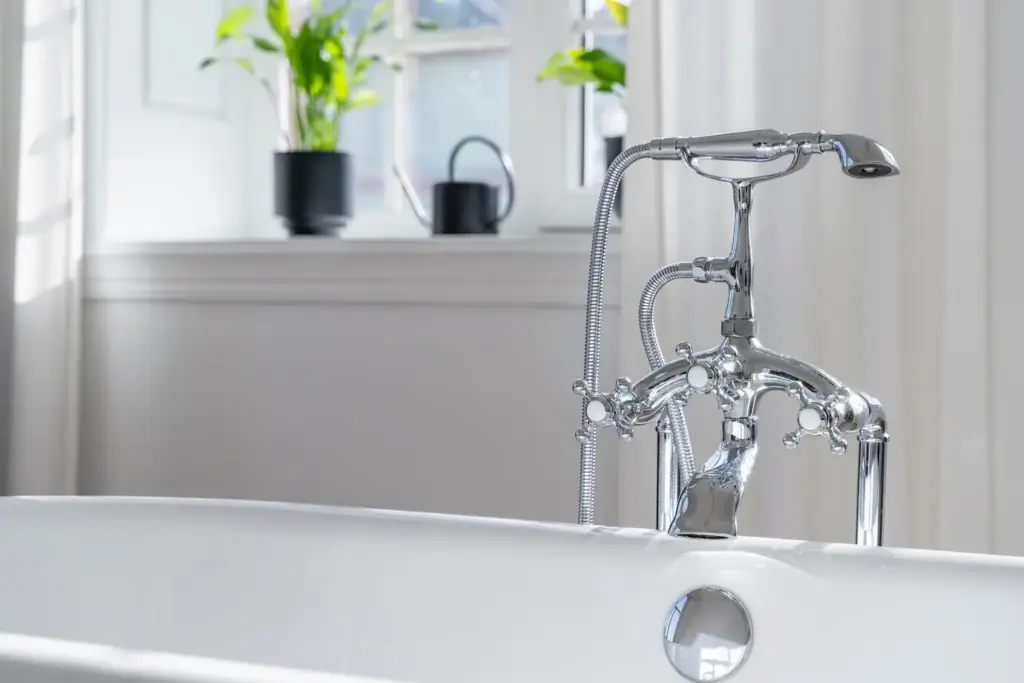
Rounded silhouettes and slim spouts communicate refinement without calling attention to themselves. Keep finishes consistent across handles, shower trims, and accessories to create visual calm. I once replaced mixed metals with brushed nickel throughout, and the room immediately felt coherent. Install aerators for gentle flow and reduced splash. A small stool in oiled wood softens porcelain’s coolness, while a cotton mat absorbs sound. These details build a satisfying rhythm from the first turn of the tap.

Tile, Grout, and Scale that Calm the Eye

Select tile sizes that suit the room’s proportions and minimize visual seams. In a compact bath, larger rectangles with tight grout lines read as serene expanses, especially in matte finishes. A client shifted from busy mosaics to honed stone and found cleaning easier and atmosphere quieter. Match grout carefully to the tile tone, lowering contrast. Use a single accent sparingly, perhaps in a niche. The goal is calm continuity that endures changing tastes and daily use.

Warmth, Towels, and Storage that Truly Serve

Introduce generous towel hooks, a heated bar if feasible, and a lidded hamper with breathable fabric. Stack spare towels within reach of the shower to avoid cold drips across floors. After switching to heavyweight cotton sets, a family reported fewer laundry cycles and better longevity. Use trays inside drawers for grooming tools, paired with a small mirror for close tasks. Keep countertops lean, allowing light to paint surfaces and reveal the understated elegance of honest cleanliness.

Composed Home Offices that Encourage Focus

Limit the number of objects in your immediate sightline to what genuinely assists the next task. A pinboard wrapped in neutral fabric controls notes without chaos. I moved a printer to a closed cabinet and instantly reclaimed mental space. Keep book spines aligned by tone if possible, reducing visual flicker. Use drawer inserts to separate stationery, and set a five-minute reset ritual at day’s end to preserve the clarity you’ve carefully built and enjoyed.
Choose an adjustable chair with a refined silhouette, a matte-finished desktop that resists glare, and a footrest that tucks away neatly. A client upgraded to a wool desk pad, which softened typing sounds and improved posture awareness. Align monitor height to eye level and keep lighting to one side to minimize reflections. Subtle texture and supportive geometry make long sessions comfortable, proving that elegance is as much about how a space works as how it looks.
Understated elegance falters when wires dominate. Route cables through grommets, use Velcro ties behind the desk, and label chargers discreetly. I mounted a small power strip under the surface, and suddenly the desktop looked curated rather than chaotic. Choose slim speakers and a compact webcam that stow easily. Keep a shallow tray for daily tech rotation, avoiding piles. These restrained systems encourage mindfulness, sustain visual serenity, and make the return to work pleasantly frictionless every day.
Tofetukezoxafuzevu
Privacy Overview

This website uses cookies so that we can provide you with the best user experience possible. Cookie information is stored in your browser and performs functions such as recognising you when you return to our website and helping our team to understand which sections of the website you find most interesting and useful.