Elevated Minimalism, Savvy Spending

Today we explore budget-conscious paths to high-end minimalism without flash, celebrating calm forms, honest materials, and disciplined choices. You will find practical tactics, tiny upgrades with oversized impact, and relatable stories proving elegance thrives on intention, not excess. Ask questions, challenge ideas, and share your own quiet victories so we can refine these approaches together and build spaces that feel composed, enduring, and deeply personal without straining savings or chasing trends.

Refinement Through Restraint

Quiet luxury often starts by removing rather than adding. When budget is tight, curating fewer, better pieces amplifies calm, clarity, and perceived quality. Thoughtful spacing, disciplined color control, and a commitment to function over spectacle nurture a room that looks composed, not expensive. We will measure value by how well each element works with the others, how easily it ages, and how little it demands from daily life beyond gentle attention.

The Fewer, The Better

Pare down until every piece justifies its presence through comfort, proportion, or craft. Fewer objects reduce visual noise, allowing textures and silhouettes to carry the mood. This approach costs less because it concentrates resources where they matter most, creates breathing room that feels luxurious, and discourages impulse buys that dilute your vision. Start with one surface; empty it, add one purposeful piece, and observe how confidence grows in the quiet.

Silhouette Over Status

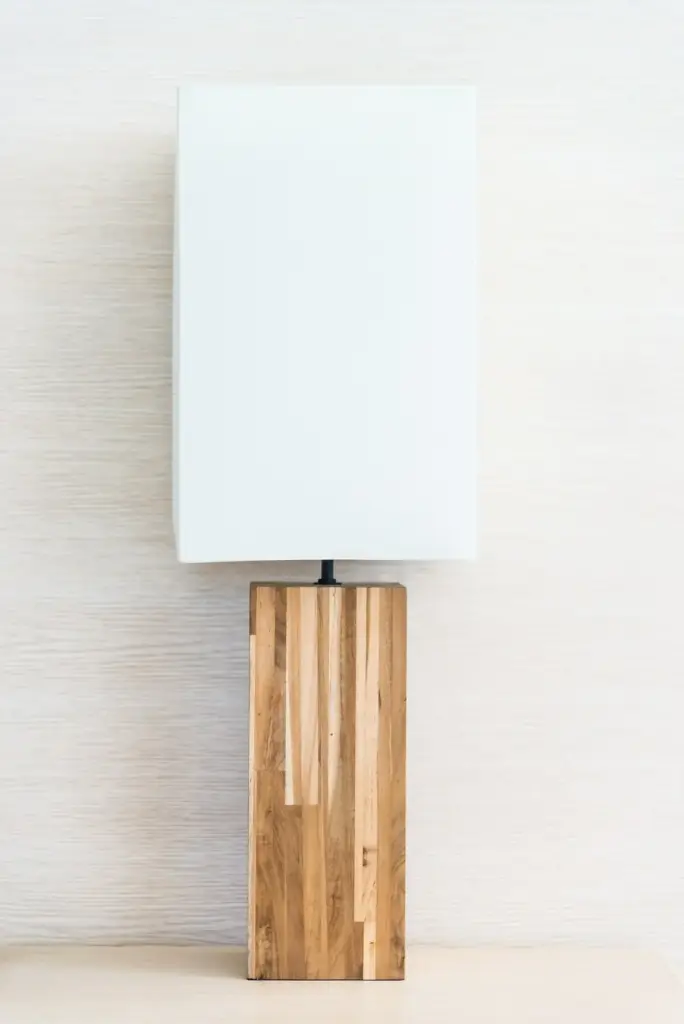
Train your eye to read line and proportion before labels. A well-balanced chair with graceful legs, or a lamp with an elegant arc, can project confidence without marquee pricing. Sketch outlines of candidate pieces on paper to evaluate shape alone. When the bones are right, inexpensive materials still look intentional. This mindful practice prevents chasing prestige and keeps spending aligned with the serenity you want your space to express every day.

Texture Carries the Room

If color stays calm, subtle texture becomes your star. Nubby cotton, matte ceramics, oak grain, and linen slubs create richness that photographs beautifully and lives even better. Texture also hides wear, making affordable pieces feel forgiving and substantial. Layer one tactile element per surface, repeat a material twice, then pause. The rhythm feels composed, the budget stays safe, and the whole room begins to whisper rather than shout.

Materials That Whisper Luxury

Pick materials that age gracefully, remembering that quiet sophistication often comes from touch and patina rather than shine. Choosing honest finishes provides dignity to modest budgets: matte over gloss, grain over lacquer, soft sheen over mirror polish. Seek coherence, not uniformity, and let small, well-placed upgrades carry the eye. A single tactile countertop edge or a real-wood detail on a simple cabinet can lift everything around it remarkably.

Honest Wood and Clever Veneer

Solid wood is wonderful, but budget-friendly veneer over stable substrates can look extraordinary when edges are handled cleanly. Ask about wood species, cut direction, and finish sheen. A low-sheen waterborne finish reads modern and avoids plastic glare. Sanded edges, visible grain, and warm undertones are your friends. Care cards beside new pieces help maintain longevity, reinforcing that a modest investment, protected well, can outlast flashier options with dramatic ease.

Stone Looks Without the Weight

Laminates and porcelain slabs convincingly mimic limestone, travertine, or marble when veining is subtle and patterns repeat realistically. Choose softly honed finishes and muted colors to avoid a plastic sheen. Pair these surfaces with grounded elements, like oiled wood or matte black brackets, to balance visual temperature. The trick is restraint: one convincing surface, not five competing gestures, ensures your space feels timeless rather than eager, and your budget remains calm.

Metals That Patinate Well

Brushed nickel, aged brass tones, and powder-coated steel develop personality without demanding constant polishing. Match undertones across hardware, frames, and lighting for cohesion. If mixing, keep one dominant finish and one quiet supporting act. Choose simple forms with precise joints; clean geometry reads refined even at accessible price points. Over time, fingerprints and soft wear marks add life, making modest pieces feel storied, grounded, and worth keeping around proudly.

Color, Light, and Negative Space

A restrained palette stretches your budget by tying diverse sources together. Light, both natural and layered artificial, sculpts minimal forms and brings depth to inexpensive surfaces. Negative space amplifies presence; a quiet corner with one extraordinary book or vessel can hold more attention than a cluttered wall. Focus on value contrast, gentle shadow, and recurring tones to forge a calm atmosphere that reads composed and intentionally elegant without extravagance.

Sourcing Like a Curator

Treat procurement as an ongoing practice rather than a weekend spree. A slower pace reduces errors and protects your budget, while patience uncovers surprisingly refined finds. Learn material basics, track dimensions, and carry swatches. Document wish lists with maximum prices, then wait for opportunities: secondhand gems, designer samples, and seasonal overstocks. By buying less and better, you transform spending into an editing process that builds lasting calm and believable character.

Editing, Styling, and Daily Rituals
Minimalism becomes luxurious when lived gently. Daily rituals—folding a throw, wiping a table with a scented natural cleaner, dimming lamps—create rhythm that makes even modest pieces feel precious. Styling should support life, not stage it. Choose a few anchors, add thoughtful repetition, and allow negative space to remain. The goal is ease: fewer decisions, calmer mornings, and an atmosphere that welcomes you like soft music rather than a loud announcement.

Case Studies and Real Numbers

Stories ground strategy. Here are lived examples where modest budgets produced polished calm. In each, restraint, patience, and material honesty outperformed novelty. We will highlight small choices—paint finish, lamp height, handle shape—that compounded into rooms feeling quietly expensive. These narratives invite you to adapt tactics, request breakdowns, and share your own experiments so everyone benefits from transparent spending, measured editing, and the courage to choose less but better with conviction.
Tofetukezoxafuzevu
Privacy Overview

This website uses cookies so that we can provide you with the best user experience possible. Cookie information is stored in your browser and performs functions such as recognising you when you return to our website and helping our team to understand which sections of the website you find most interesting and useful.